

Choosing motorcycle tires depends on where and how you ride. A set of tires that feels great on smooth pavement may struggle on loose gravel, while aggressive off-road tires can be noisy and less comfortable on highways. Street riders, adventure touring enthusiasts, and off-road riders all have different priorities when it comes to grip, durability, handling, and tire life. Understanding these differences makes it easier to find the best motorcycle tires for your bike, riding style, and budget.
🛞 Understanding the Main Types of Motorcycle Tires
Table of Contents
Street Motorcycle Tires
Street tires are designed primarily for paved roads. They focus on predictable handling, cornering grip, braking performance, and stability at road speeds. Depending on the design, they may also prioritize wet-weather performance, comfort, or long-distance durability.
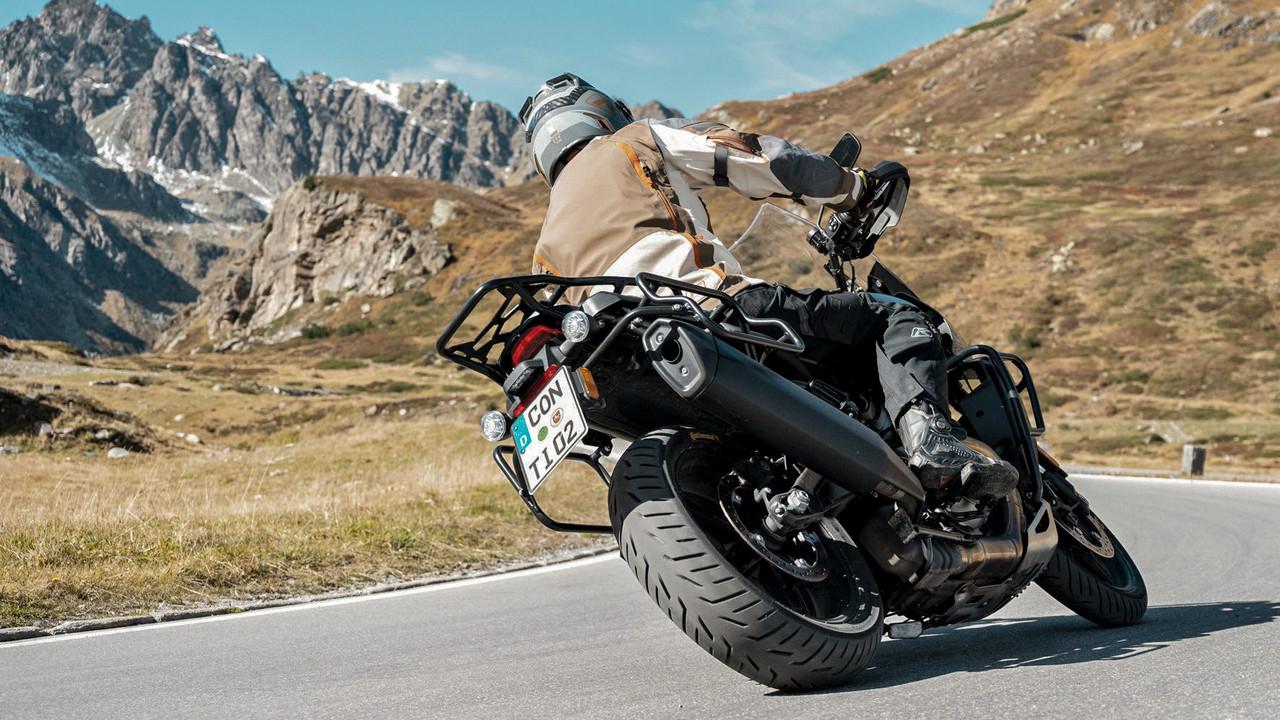
Motorcycle Tires for Street
Sport tires suit riders who enjoy responsive handling on winding roads. Sport-touring tires offer a more balanced combination of grip, comfort, and mileage, making them a practical choice for commuting and longer rides. Touring and cruiser tires are designed for different motorcycle configurations and riding demands.
If you spend nearly all your time on asphalt, dedicated street tires are usually a better choice than tires designed for mixed terrain.
Adventure Motorcycle Tires
Adventure motorcycle tires are designed to handle both paved roads and unpaved surfaces. Their tread patterns range from relatively smooth, road-focused designs to aggressive blocks intended for loose gravel and dirt.
These tires are popular among ADV riders who combine highway travel with backroads, forest roads, and occasional trails. However, not every adventure tire performs equally well in mud, sand, or technical terrain.
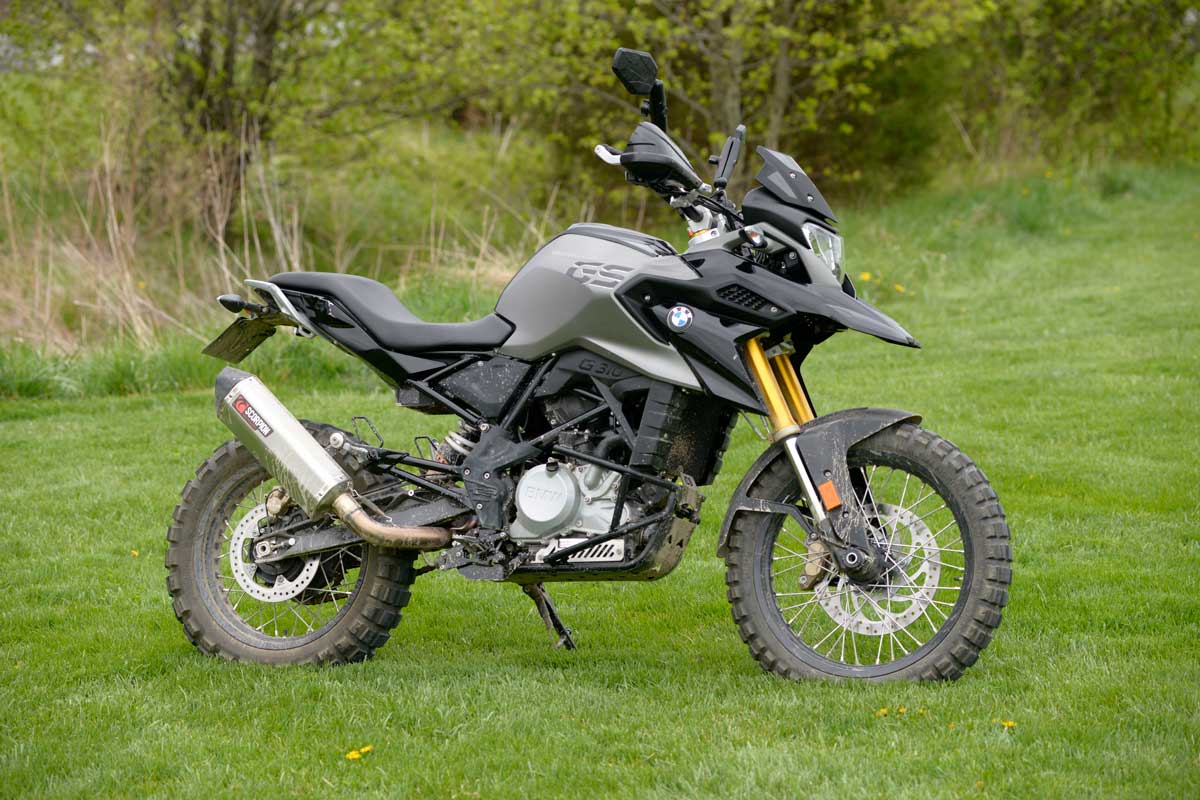
Adventure Motorcycle Tires
The key is to choose a tire that matches your actual riding conditions rather than buying the most aggressive tread available.
Off-Road and Dual-Sport Tires
Off-road motorcycle tires are built for surfaces such as dirt, sand, mud, and rocky trails. Larger tread blocks and wider gaps between them help the tire engage with loose ground.
Dual-sport tires are intended for riders who need a combination of public-road usability and off-road capability. Some models are more suitable for pavement, while others prioritize dirt traction.
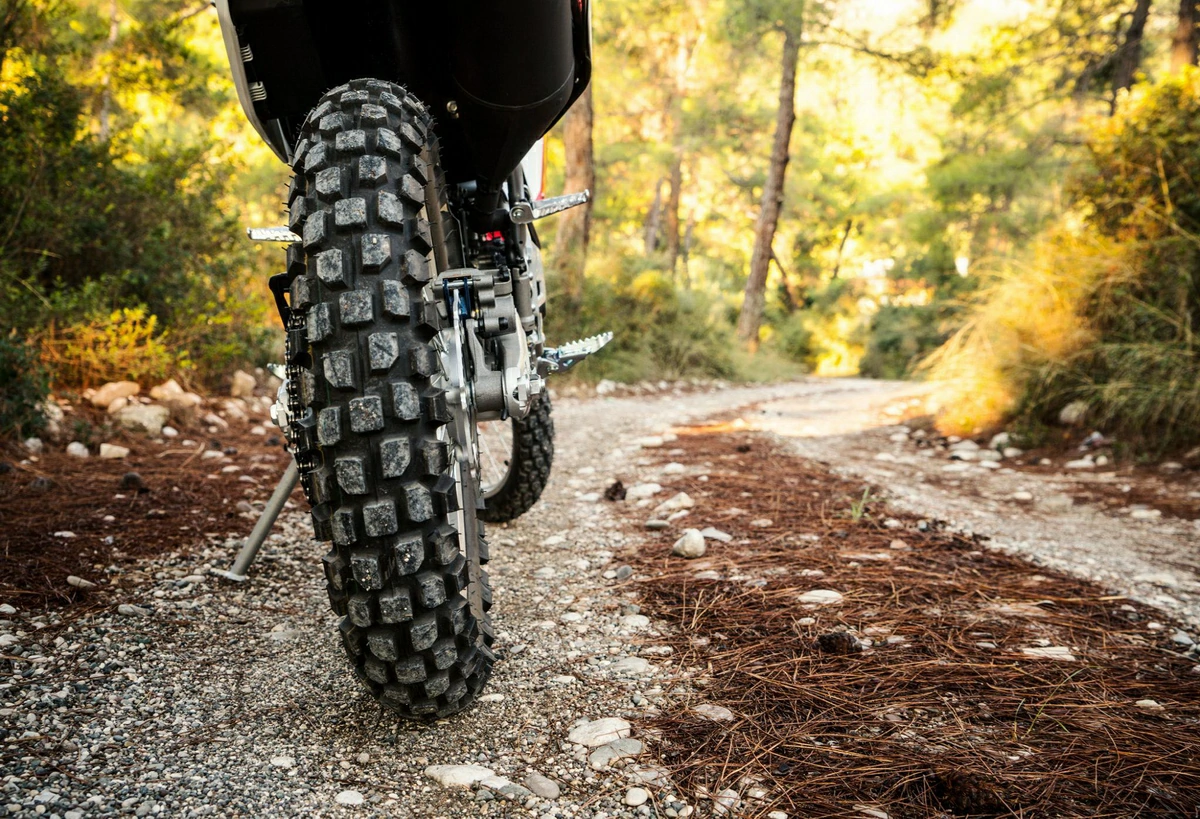
Off-Road and Dual-Sport Tires
Before purchasing a dedicated dirt tire, check whether it is approved for public-road use. Competition-focused tires may not meet road regulations and can wear quickly on asphalt.
🛣️ How to Choose Motorcycle Tires for Your Riding Style
Daily Commuting and Street Riding
For everyday commuting, paved roads, and weekend rides, look for tires that offer predictable handling, reliable wet-weather grip, and suitable tread life.
Sport-touring tires are a strong option for riders who want one set of tires for different road conditions. If you ride in frequent rain, compare independent wet-grip tests and manufacturer specifications instead of choosing based on appearance or price alone.
Highway Touring and Long-Distance Riding
Long-distance riders should consider stability, comfort, mileage, and load capacity. Carrying luggage or a passenger adds weight, so the tires must meet the motorcycle manufacturer's load and speed requirements.
A tire with excellent cornering grip may not be the most economical choice for riders covering thousands of highway miles. Compare expected tire life, replacement costs, and performance in the conditions you encounter most often.
Adventure Touring and Gravel Roads
If most of your riding takes place on pavement with occasional gravel sections, a road-oriented ADV tire is often the most practical choice. It typically provides a smoother highway experience while retaining enough tread for maintained dirt roads.
Riders who frequently explore loose gravel, forest roads, or uneven tracks may benefit from a more off-road-oriented design. However, tread pattern alone does not determine performance. Tire construction, pressure, motorcycle weight, and rider technique also matter.
Technical Off-Road Riding
For challenging trails, mud, sand, or rocky terrain, consider tires specifically designed for your riding discipline. Motocross, enduro, and trail tires can have different construction and performance characteristics.
If your route includes long highway sections before reaching the trail, consider the trade-off between off-road traction and road comfort. Choose a tire that suits both the motorcycle and the terrain you are qualified and equipped to ride.
⭐ Popular Motorcycle Tires Worth Considering
There is no single best motorcycle tire for every rider. These established tire families provide useful starting points when comparing options.
Street and Sport-Touring Tires
The Michelin Road 6 is a sport-touring tire family worth researching if road grip and wet-weather performance are priorities. Dunlop Roadsmart tires are another option for riders looking for road-focused touring performance.
Compare the exact model, available sizes, independent tests, and manufacturer specifications before making a decision. Performance can vary with tire size, motorcycle type, road surface, and riding conditions.
Adventure Motorcycle Tires
The Michelin Anakee Adventure 2 is a road-oriented adventure tire designed for riders who spend substantial time on pavement but also encounter unpaved roads.
The Bridgestone Battlax Adventurecross AX41 is a more off-road-focused option to investigate for riders who prioritize traction on loose surfaces.
These tires serve different riding needs. Before buying, review the latest specifications and confirm that the selected front and rear tires are appropriate for your motorcycle.
Off-Road Tires
For dirt-focused riding, the Dunlop Geomax range is worth exploring. Different tires within an off-road product family may be designed for different surfaces and disciplines, so check the specific model rather than relying on the family name alone.
A popular tire is not automatically the right tire for your bike. Fitment, terrain, road-use approval, and the manufacturer's recommendations should come first.
🧭 What Do 90/10, 80/20, and 50/50 ADV Tires Mean?
These ratios are commonly used to describe the intended balance between pavement and off-road riding. They are useful shopping guides, but they are not universal standardized measurements of tire performance.
- 90/10: Primarily street riding, with occasional easy gravel.
- 80/20: Mostly paved roads, with regular light off-road use.
- 50/50: A more balanced approach to pavement and dirt.
- 30/70: Off-road-focused riding, where dirt traction takes priority.
A more aggressive tread may provide better grip on certain loose surfaces, but it can also increase road noise and reduce smoothness on pavement. The actual result depends on the tread design, rubber compound, tire construction, pressure, and terrain.
Choose according to where you ride most often, while ensuring the tires can safely handle the conditions you realistically expect to encounter.
🔍 What to Check Before Buying Motorcycle Tires
Tire Size and Manufacturer Specifications
Start with your motorcycle owner's manual or the tire information label on the bike. Confirm the recommended front and rear tire sizes, load index, and speed rating.
Never select a tire simply because it fits physically. An incorrect size or specification can affect handling, clearance, and safety.
Tube-Type and Tubeless Compatibility
Check whether your wheels require inner tubes or are designed for tubeless tires. Compatibility depends on both the tire and wheel, so verify the manufacturer's instructions before purchasing or installing a new set.
Weather, Mileage, and Budget
Riders who regularly encounter rain should prioritize wet-road performance. Long-distance riders may place greater emphasis on durability and replacement costs, while off-road riders may need a tread design suited to loose terrain.
Consider the full cost of ownership rather than the purchase price alone. A suitable tire that performs consistently and lasts well may offer better value than a cheaper option that does not match your needs.
🔧 Motorcycle Tire Maintenance and Riding Safety
Check Tire Pressure and Tread Regularly
The U.S. National Highway Traffic Safety Administration recommends checking motorcycle tire pressure and tread depth before riding. Use the pressure specified by your motorcycle manufacturer and check the tires when cold, unless the owner's manual provides different instructions.
Inspect both tires for cuts, cracks, bulges, embedded objects, and uneven wear. Replace tires when they reach the manufacturer's wear limit or have damage that makes them unsafe. Tire lifespan varies with riding style, road conditions, load, pressure, and tire construction, so there is no single mileage figure that applies to every motorcycle.
Prepare Your Bike and Riding Gear
After installing new tires, follow the manufacturer's break-in guidance and ride conservatively while becoming familiar with their handling. Avoid aggressive cornering, hard acceleration, and sudden braking until the tires have been properly run in according to the manufacturer's instructions.
For group rides, a motorcycle Bluetooth intercom, motorcycle helmet communication system, or mesh intercom system can help riders coordinate stops and communicate route changes. Set up the equipment before departure and keep your attention on traffic and road conditions. Communication devices cannot replace proper tire maintenance or safe riding technique.
❓ Frequently Asked Questions
1. What are the best motorcycle tires for everyday street riding?
Sport-touring tires are a practical starting point for many commuters and weekend riders because they balance grip, comfort, wet-weather performance, and durability. Always confirm compatibility with your motorcycle.
2. Are ADV tires suitable for highway riding?
Many road-oriented ADV tires are designed for highway use. More aggressive off-road tires may produce additional noise and feel less refined on pavement, so choose according to your typical riding conditions.
3. Are 50/50 tires better than 80/20 adventure tires?
Neither is universally better. A 50/50 tire may suit riders who frequently alternate between pavement and dirt, while an 80/20 tire may be more comfortable for riders who spend most of their time on paved roads.
4. How often should motorcycle tires be replaced?
Replace tires when they reach the manufacturer's wear limit, suffer unsafe damage, or exceed applicable age guidance. Inspect them regularly and follow your motorcycle and tire manufacturers' recommendations.
5. Can I use off-road motorcycle tires on public roads?
Only if the specific tires are approved for the intended road use and comply with local regulations. Some competition tires are not road legal and may wear quickly on pavement.
The best motorcycle tires depend on your bike, your riding habits, and the terrain you encounter most often. Street tires are ideal for pavement-focused riding, ADV tires offer a compromise for mixed touring, and dedicated off-road tires are designed for demanding dirt conditions.
Before buying, check the specifications, confirm compatibility, and compare performance in the conditions that matter most to you. Keep tire pressure at the recommended level and inspect your tires regularly to help maintain predictable handling and safer rides.
📚 Authoritative Sources and Further Reading
- Michelin — Best Adventure Motorcycle Tires
https://www.michelin.co.uk/motorbike/advice-motorbike/choose-tyres/best-adv-tyres - Bridgestone — Motorcycle Tire Guide
https://www.bridgestoneamericas.com/en/company/safety/choosing-tires/motorcycles - National Highway Traffic Safety Administration (NHTSA) — Motorcycle Safety
https://www.nhtsa.gov/road-safety/motorcycles - UK Government — Motorcycle MOT Inspection Manual: Wheels, Tyres, and Suspension
https://www.gov.uk/guidance/mot-inspection-manual-for-motorcycles/5-wheels-tyres-and-suspension
