

Autumn is the perfect time to prepare your motorcycle for colder weather, whether you plan to keep riding or put your bike away until spring. Falling temperatures, moisture, road salt, and months of inactivity can affect your battery, tires, fuel system, and metal components. Skipping seasonal maintenance may turn a simple spring startup into an expensive repair.
This fall motorcycle maintenance checklist covers the essential steps to inspect, service, clean, and store your motorcycle before winter. From checking tire pressure and changing overdue engine oil to protecting the battery and preventing corrosion, these practical tips will help extend your bike’s service life, reduce avoidable maintenance costs, and make your next riding season easier. Always follow your motorcycle manufacturer’s owner’s manual for model-specific requirements.
🍂 Why Fall Motorcycle Maintenance Matters Before Winter
Table of Contents
Cold weather does not affect every motorcycle in the same way. A bike ridden throughout winter needs regular safety inspections, while one stored for several months needs protection against battery discharge, fuel deterioration, and corrosion.
The Motorcycle Safety Foundation (MSF) recommends its T-CLOCS inspection method, which covers Tires and wheels, Controls, Lights and electrics, Oil and other fluids, Chassis, and Stands. This provides a useful framework for your seasonal inspection.
Temperature changes also matter. According to Michelin’s motorcycle tire guidance, tire pressure should be checked when the tires are cold, using the motorcycle manufacturer’s recommended pressure. Cooler weather can lower pressure, affecting handling and tire wear.
Start by deciding whether you will continue riding or store the motorcycle. Both plans require a thorough inspection, but long-term storage adds several important preparation steps.
🔋 Check the Motorcycle Battery and Electrical System
A weak battery can become a frustrating problem when temperatures drop. Before winter, check its condition rather than waiting until spring to discover that the motorcycle will not start.
Inspect the battery and terminals
Check for loose connections, corrosion, damaged cables, swelling, or leakage. Clean terminals according to the manufacturer’s instructions and make sure the battery is securely mounted. If the starter turns slowly or the battery repeatedly loses charge, have the battery and charging system tested.
Maintain the battery during storage
If the motorcycle will remain unused for several months, follow the battery manufacturer’s storage instructions. A compatible smart battery maintainer can help preserve charge when approved for your battery type.
Do not assume that every charger works with every battery. Lithium and lead-acid batteries have different charging requirements, and some motorcycles have electrical systems that continue drawing power when parked. Disconnecting or removing the battery may be appropriate, depending on the owner’s manual.
🛢️ Inspect Engine Oil, Coolant, and Other Fluids
Fluids are a central part of any motorcycle winterization checklist. Check their levels, condition, service intervals, and any signs of leakage.
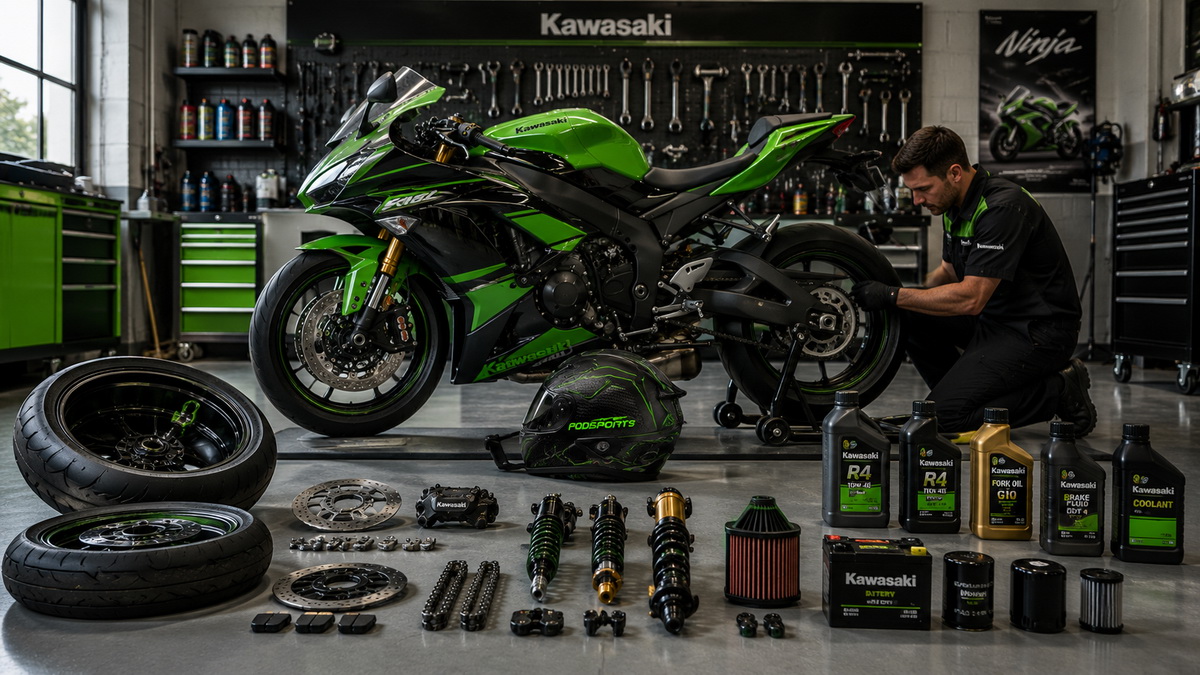
Change engine oil if it is due
If your motorcycle is approaching its scheduled oil change, consider completing the service before extended winter storage. Fresh oil helps ensure that the engine is ready for the next riding season.
Use the specified oil grade and replace the filter according to the maintenance schedule. Do not change oil unnecessarily if the manufacturer’s service requirements do not call for it.
Check coolant and brake fluid
For liquid-cooled motorcycles, check the coolant level when the engine is completely cool. Inspect the hoses, radiator, and connections for leaks. If freezing temperatures are expected, confirm that the coolant mixture provides the protection specified for your climate and motorcycle.
Inspect the brake-fluid level and condition according to the service manual. Brake fluid absorbs moisture over time, so follow the prescribed replacement interval rather than relying on appearance alone.
Never ignore a fluid leak or a soft, spongy brake lever. Have safety-critical issues diagnosed before riding again.
🛞 Inspect Tires, Brakes, and Wheels
Tires and brakes deserve particular attention before colder-weather riding. Wet leaves, rain, frost, and reduced daylight can make road conditions more challenging.
Check tire pressure and tread
Measure both tires when cold using an accurate gauge. Inflate them to the pressures specified in your owner's manual or on the motorcycle's applicable information label—not the maximum pressure printed on the tire sidewall.
Inspect for uneven wear, embedded objects, cracks, bulges, and damaged valve stems. Check the tread across the full width of each tire and replace tires that are worn beyond their safe limits.
Michelin recommends checking motorcycle tire pressure regularly and before every ride as a safe habit. Its published guidance also emphasizes that hot tires should not be deflated to reach a cold-pressure target.
Test the brakes and inspect the wheels
Check brake-pad thickness, disc condition, fluid levels, and the operation of both front and rear brakes. Inspect wheels and spokes, where fitted, for damage or looseness. Also check wheel bearings if you notice unusual noise or play.
If you find a damaged tire, leaking brake component, or uncertain braking performance, arrange professional inspection before riding.
⛓️ Clean and Lubricate the Chain and Moving Parts
A dirty or poorly lubricated chain can accelerate drivetrain wear. Moisture and road salt can also encourage corrosion during autumn and winter.
Clean the chain with a cleaner approved for your chain type, then lubricate it according to the motorcycle manufacturer's instructions. Check chain slack at the specified measurement point and inspect the sprocket teeth for abnormal wear.
If your motorcycle uses a belt or shaft drive, follow its specific inspection and maintenance procedure instead. Do not apply chain lubricant to a drive belt.
Check the throttle and clutch operation, control cables, suspension, fasteners, and side stand. The throttle should move smoothly and return properly when released. Any sticking control, unusual looseness, or damaged component should be addressed before your next ride.
⛽ Prepare the Fuel System for Winter Storage
Fuel preparation depends on the motorcycle's fuel system, tank material, fuel type, and expected storage duration.
Use the correct fuel-storage procedure
For many gasoline motorcycles, the manufacturer may recommend adding a compatible fuel stabilizer and running the engine as directed so treated fuel reaches the relevant parts of the system. Follow the product label and your owner's manual.
Some motorcycles require a different approach, particularly those with carburetors or particular tank materials. Do not automatically apply a full-tank procedure to every bike.
If your motorcycle has carburetors, check whether the manual recommends draining the float bowls or using another specific storage procedure. For fuel-injected motorcycles, follow the manufacturer's guidance for the tank and fuel system.
Gasoline is highly flammable. Perform fuel-related maintenance in a well-ventilated area, away from flames, sparks, heaters, and other ignition sources. Never store a fuel-filled motorcycle in living spaces.
🧽 Clean the Motorcycle and Prevent Rust
Cleaning is more than a cosmetic task. Dirt, trapped moisture, and road salt can contribute to corrosion when a motorcycle sits unused for weeks or months.
Wash, dry, and protect the bike
Wash away mud, insects, and salt residue, paying attention to the underside, wheels, and other exposed areas. Avoid directing high-pressure water at bearings, electrical connectors, seals, or other vulnerable components.
Dry the motorcycle thoroughly, including hard-to-reach areas. Apply suitable protective products to painted or metal surfaces according to their instructions. Keep wax, oil, and protective sprays away from tires, brake discs, brake pads, and other surfaces that require friction.
Inspect exposed metal parts for existing rust and address it appropriately before storage. A clean, dry motorcycle is easier to inspect and better prepared for winter.
🏍️ Check Riding Gear and Communication Equipment
If you will continue riding through autumn, inspect your riding gear alongside the motorcycle itself.
Check your helmet for damage and confirm that its visor provides clear visibility. Inspect gloves, boots, jackets, and waterproof layers for wear. Shorter daylight hours make reflective details and functioning motorcycle lights particularly valuable.
If you use a Helmet Communication system, check its battery, speakers, microphone, mounting hardware, and charging connection. Test the system before a longer ride rather than discovering a problem on the road. Riders who travel in groups may also want to check their Bluetooth Intercom connections and Motorcycle Intercom equipment before colder-weather trips.
Fodsports has specialized in motorcycle Bluetooth communication systems since 2014. Whatever equipment you use, make sure it is securely installed and does not interfere with helmet fit, hearing, or safe control of the motorcycle.
🏠 Store Your Motorcycle Correctly for Winter
Once maintenance is complete, choose a dry, secure storage location protected from rain, snow, and unnecessary temperature fluctuations.
Choose suitable storage conditions
A garage or sheltered storage area is preferable when available. Use a breathable motorcycle cover that helps limit dust while allowing moisture to escape. Avoid trapping dampness under an impermeable cover.
Inflate tires to the manufacturer's specified pressure and consider suitable motorcycle stands if recommended for your setup. If stands are unavailable, follow the manual's guidance for reducing prolonged loading on the tires.
Prepare the battery, fuel system, and fluids according to the motorcycle-specific instructions. Do not block the exhaust or air intake unless the manual recommends a suitable method, and clearly record any plugs or covers that must be removed before starting.
Make a spring restart note
Write down what you serviced, the date of the last oil change, the battery-storage method, and any parts that need attention. Keep this checklist with the motorcycle.
Before riding again in spring, remove any protective plugs, check the tires and fluids, reconnect the battery correctly, and inspect the brakes, chain, lights, and controls.
✅ Final Fall Motorcycle Maintenance Checklist
Use this quick checklist before winter arrives:
- Inspect the battery, terminals, and charging system.
- Check engine oil and change it if due.
- Inspect coolant, brake fluid, and all visible hoses for leaks.
- Check cold tire pressure, tread, sidewalls, and wheels.
- Inspect brake pads, discs, and brake operation.
- Clean and lubricate the chain, or service the applicable final drive.
- Prepare the fuel system according to the owner's manual.
- Wash and thoroughly dry the motorcycle.
- Protect suitable surfaces against corrosion.
- Inspect riding gear, lights, and communication equipment.
- Store the motorcycle in a dry, secure place.
- Record completed maintenance and spring-startup reminders.
The most important principle is to fix existing problems before parking the motorcycle for winter. A few hours of preventive maintenance can help avoid unnecessary repairs and make the next riding season start more smoothly.
❓ Frequently Asked Questions
How often should I maintain my motorcycle before winter?
Complete a thorough seasonal inspection before long-term storage or the arrival of harsh weather. Continue regular checks if you ride throughout winter, and follow your motorcycle's normal service intervals.
Should I change motorcycle oil before winter storage?
Change the oil and filter if they are due according to the manufacturer's maintenance schedule. Many manufacturers recommend fresh oil before extended storage, but the exact procedure depends on the motorcycle.
Should I disconnect my motorcycle battery during winter?
It depends on the motorcycle, battery type, and storage conditions. Follow the owner's manual and battery manufacturer's guidance. A compatible battery maintainer may be suitable for some setups.
Should I fill the motorcycle gas tank before winter?
Some manufacturers recommend filling the tank and using a compatible fuel stabilizer, while other tank materials or fuel systems may require a different procedure. Always follow the specific storage instructions for your motorcycle.
Can I ride my motorcycle in cold weather instead of storing it?
Yes, if conditions are safe and the motorcycle is properly maintained. Check tire pressure, brakes, lights, and fluids before riding. Avoid ice, frost, and slippery surfaces, and wear suitable cold-weather protective gear.
Authoritative Sources
- Motorcycle Safety Foundation (MSF) — T-CLOCS Pre-Ride Inspection Checklist: https://msf-usa.org/documents/library/t-clocs-pre-ride-inspection-checklist/
- National Highway Traffic Safety Administration (NHTSA) — Motorcycle Safety: https://www.nhtsa.gov/road-safety/motorcycles
- Michelin — How to Check Motorcycle Tire Pressure: https://www.michelinman.com/motorcycle/tips-and-advice/tips-to-take-care-of-motorcycle-tires/check-your-tire-pressure
- Harley-Davidson — Official Service Information: Placing a Motorcycle in Storage: https://serviceinfo.harley-davidson.com/sip/service/procedure/2193769385631765196/BLAISE/496318/en_US?nid=6189&uid=496318
- U.S. Army Combat Readiness Center — The Step-by-Step Guide to Winterizing Your Ride: https://safety.army.mil/MEDIA/Risk-Management-Magazine/ArtMID/7428/ArticleID/8345/The-Step-by-Step-Guide-to-Winterizing-Your-Ride
